

Momentum is building in Buffalo as the city looks to a groundbreaking 2026. New and expanded attractions, waterfront destinations, and heritage-driven experiences—including celebrations of Buffalo’s rich African American history—have set the stage for a standout year. Building on recent milestones like the $230 million transformation of the Buffalo AKG Art Museum and a growing collection of new hotels, restaurants, and revitalized landmarks, Buffalo continues to evolve as a dynamic place to visit. Explore what’s new this year and what lies ahead.
NEW IN 2026
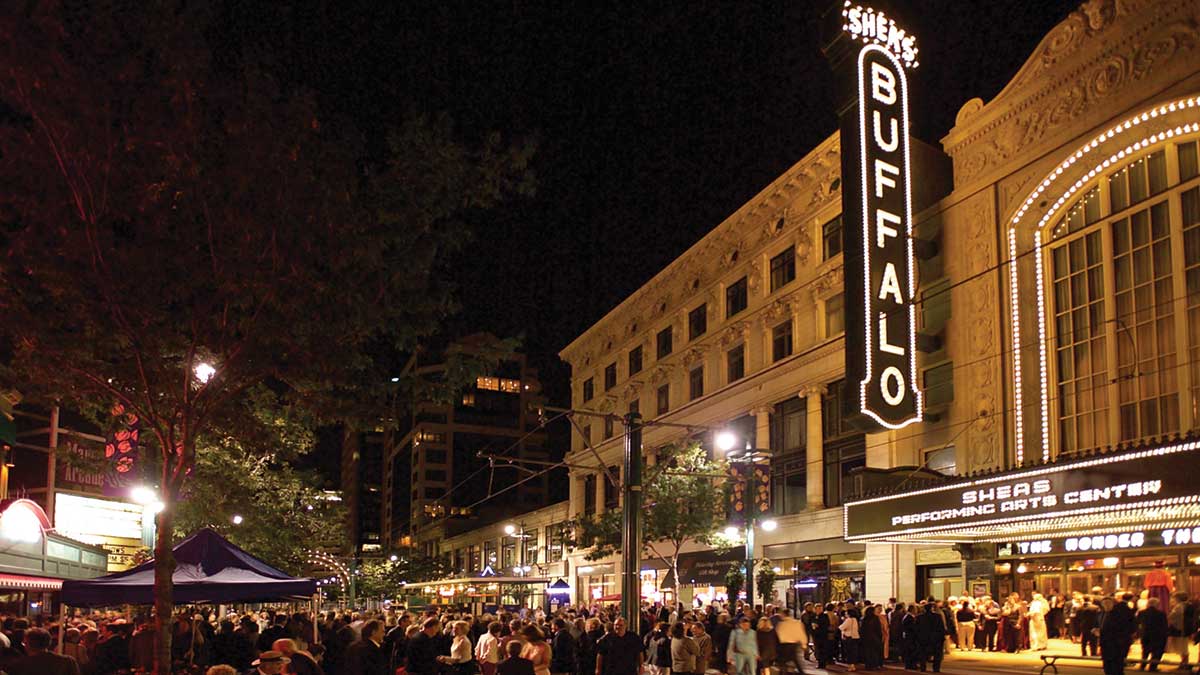
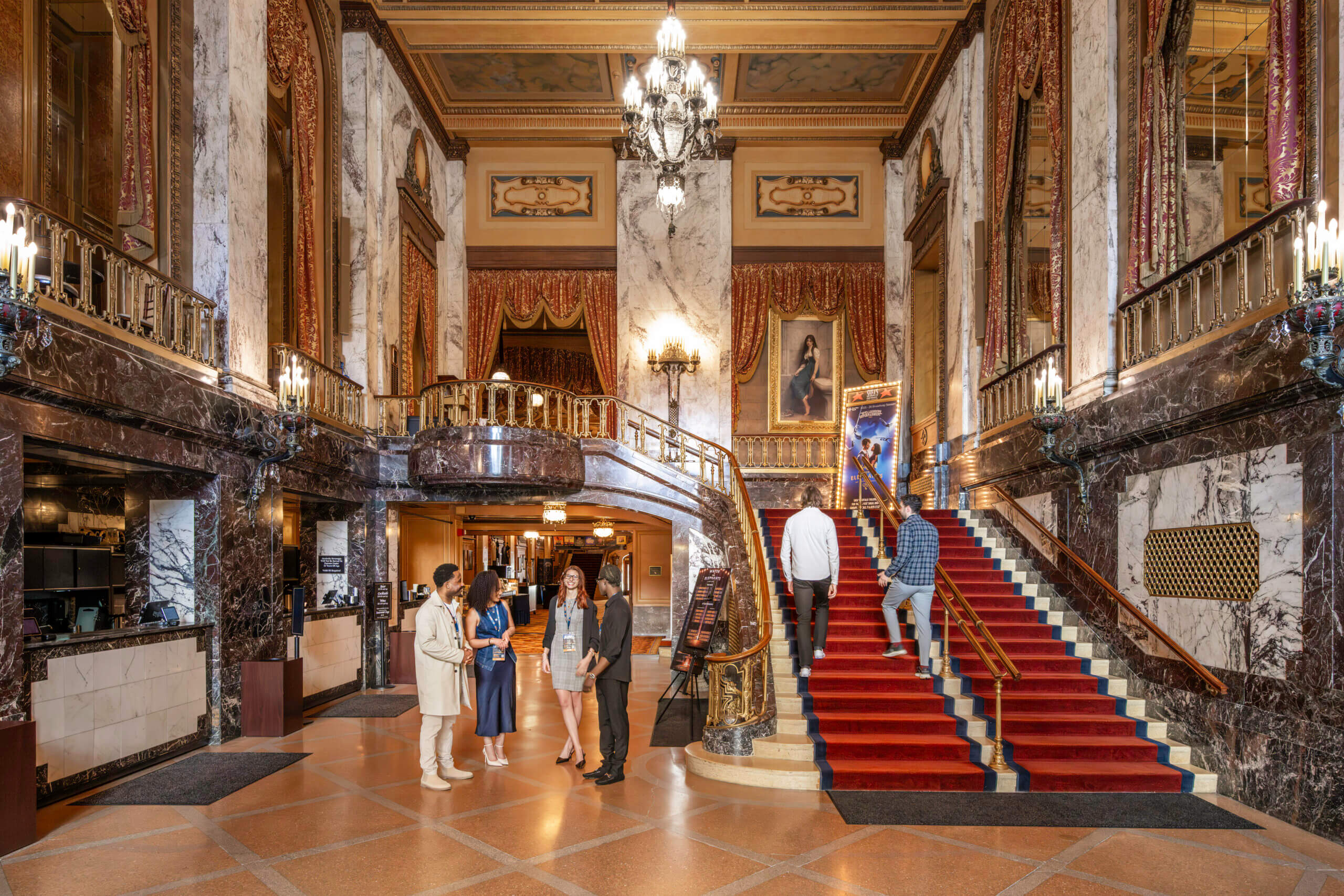
Expansion of Shea’s Buffalo Theatre
The iconic centerpiece of Buffalo’s theatre district, Shea’s Buffalo Theatre is undergoing a $34.6 million expansion project with the construction of a four-story, 25,000 sq. ft. addition along Pearl Street. The project will improve the 1926 theater’s accessibility by adding three large-capacity elevators, as well as adding new restroom fixtures and more than doubling the lobby space. The plan also includes a new outdoor patio, a drop-off loop, and heated pedestrian pathways, as well as a new box office and multilevel concession areas. Work on the new project started in March 2026 and is expected to be completed by the end of 2027. The show will go on, however – a full lineup of shows is scheduled throughout the renovation.
The expansion is “Objective 1” of a planned five-step “Elevate Shea’s” project, which will make improvements to all three of Shea’s Performing Arts Center’s theaters, as well as grow the theater’s endowment programs and make streetscaping improvements.
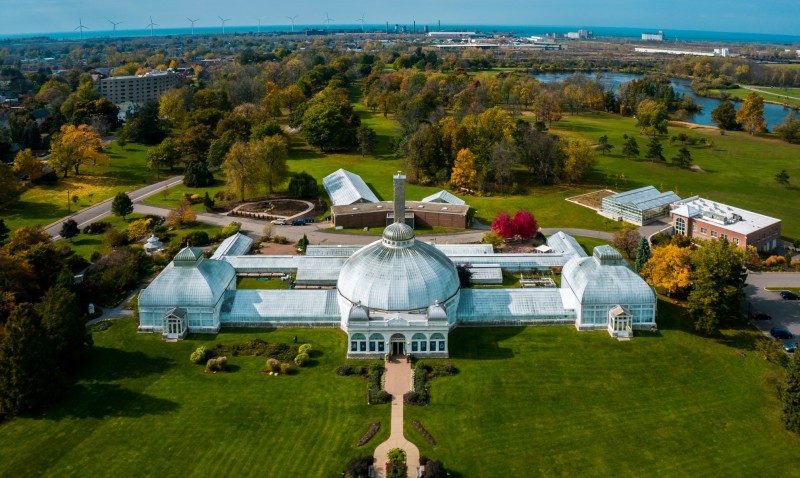
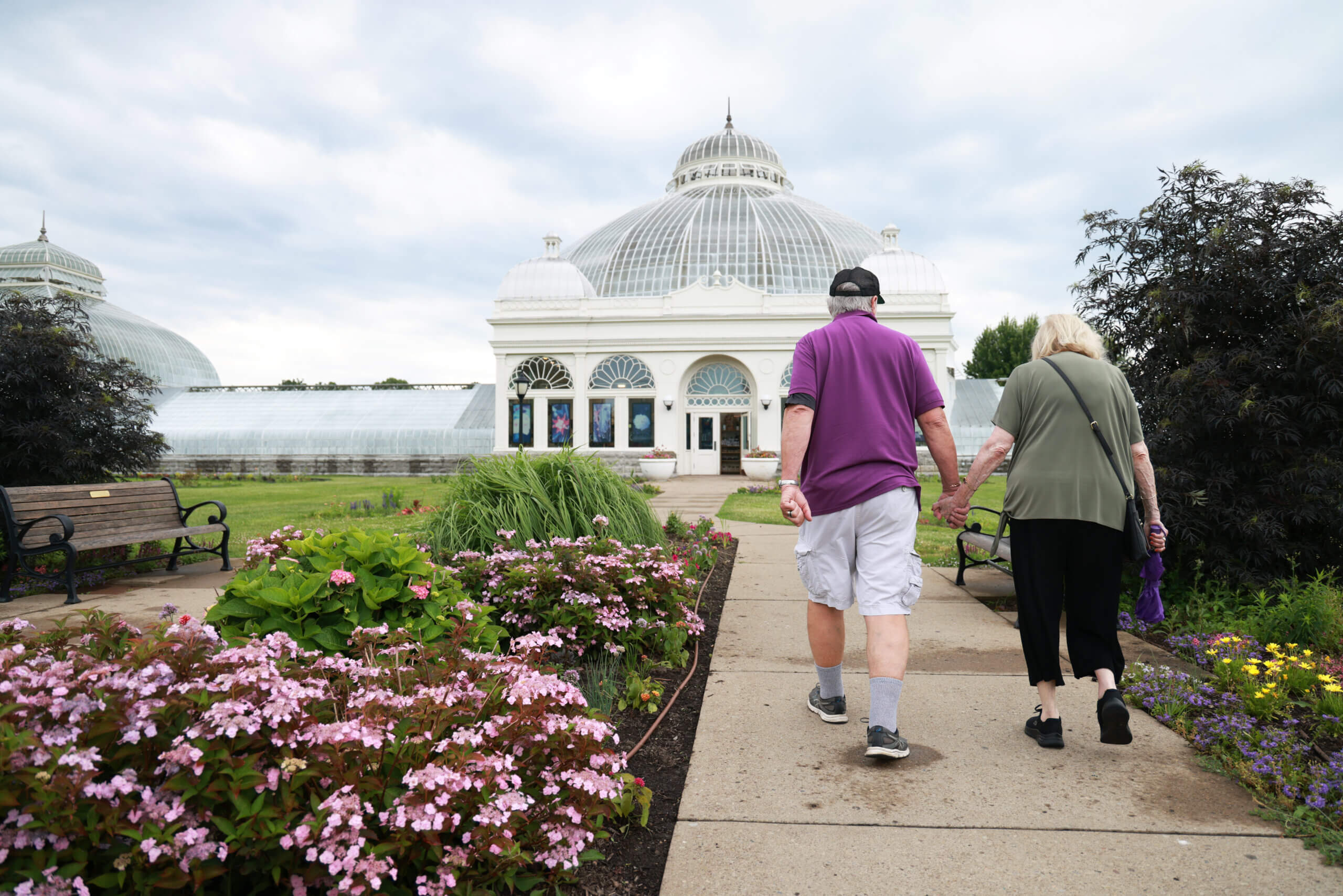
Expansion of Buffalo and Erie County Botanical Gardens
The Buffalo and Erie County Botanical Gardens is under expansion. The historic $31 million multi-phase project started in June 2025 and is expected to be finished in early 2027.
The project includes more than 16,000 square feet of new construction and 14,000 square feet of renovated indoor spaces, as well as over 90,000 square feet of renovated and new outdoor gardens. The expansion will add a new admission center, a cafe, new classrooms, an enclosed courtyard, and more. The project will also improve the Botanical Gardens’ accessibility with a new drop-off circle and parents’ rooms, as well as sustainability initiatives.
The Buffalo and Erie County Botanical Gardens is open through the expansion.
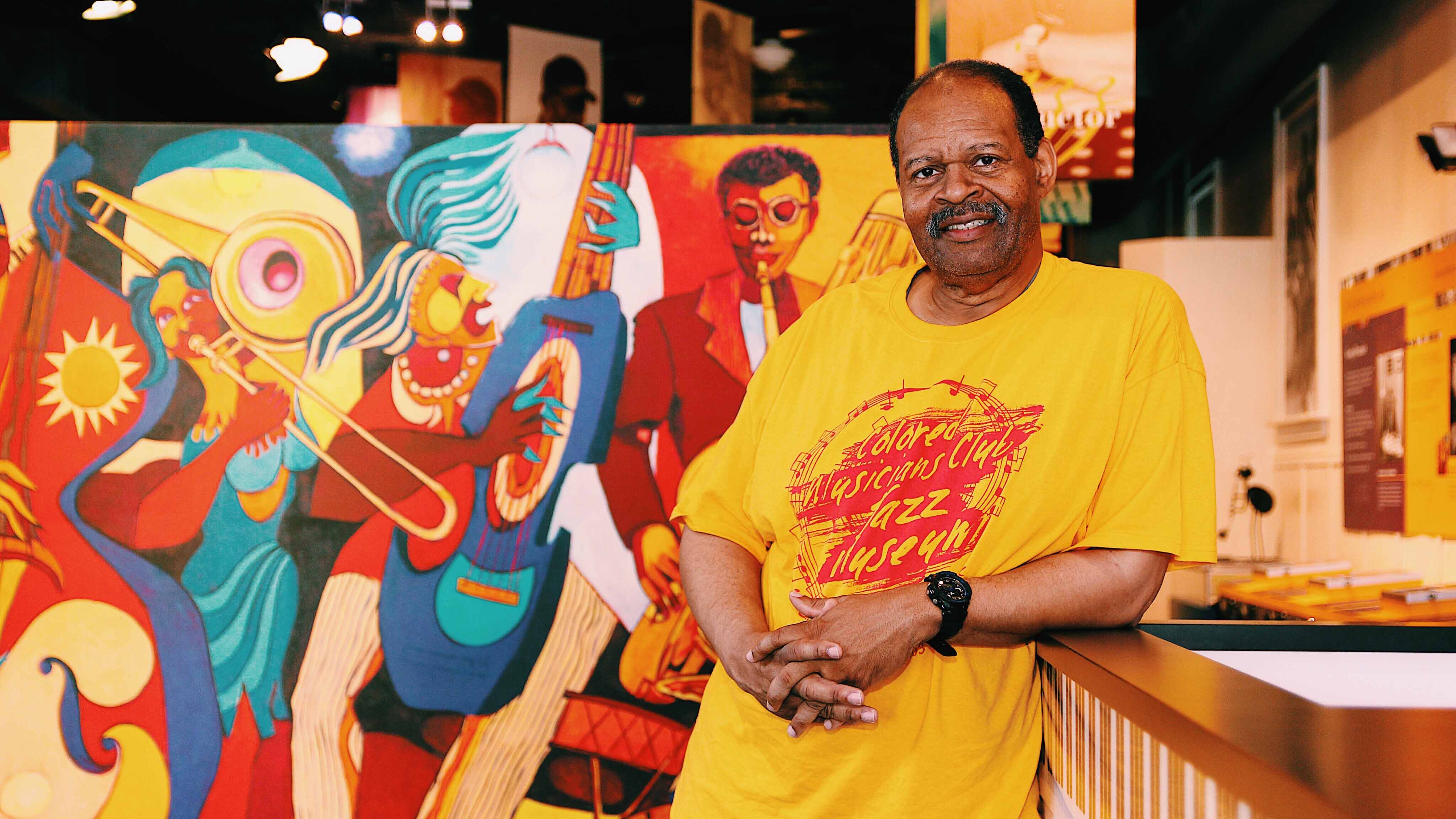

Colored Musicians Club & Jazz Museum
The Colored Musicians Club & Jazz Museum, one of the nation’s oldest Black-owned clubs, began in 1935 and is undergoing a $3 million renovation and expansion. New features will include a renovated second floor club and bar, and an addition with a visitor center and an upgraded museum with new interactive exhibits that will bring out the musician in you. The museum shares the story of the club and the musicians’ union that was headquartered here. Famous artists like Aretha Franklin and Miles Davis stopped by to eat, drink and play music when they came to Buffalo for a gig.
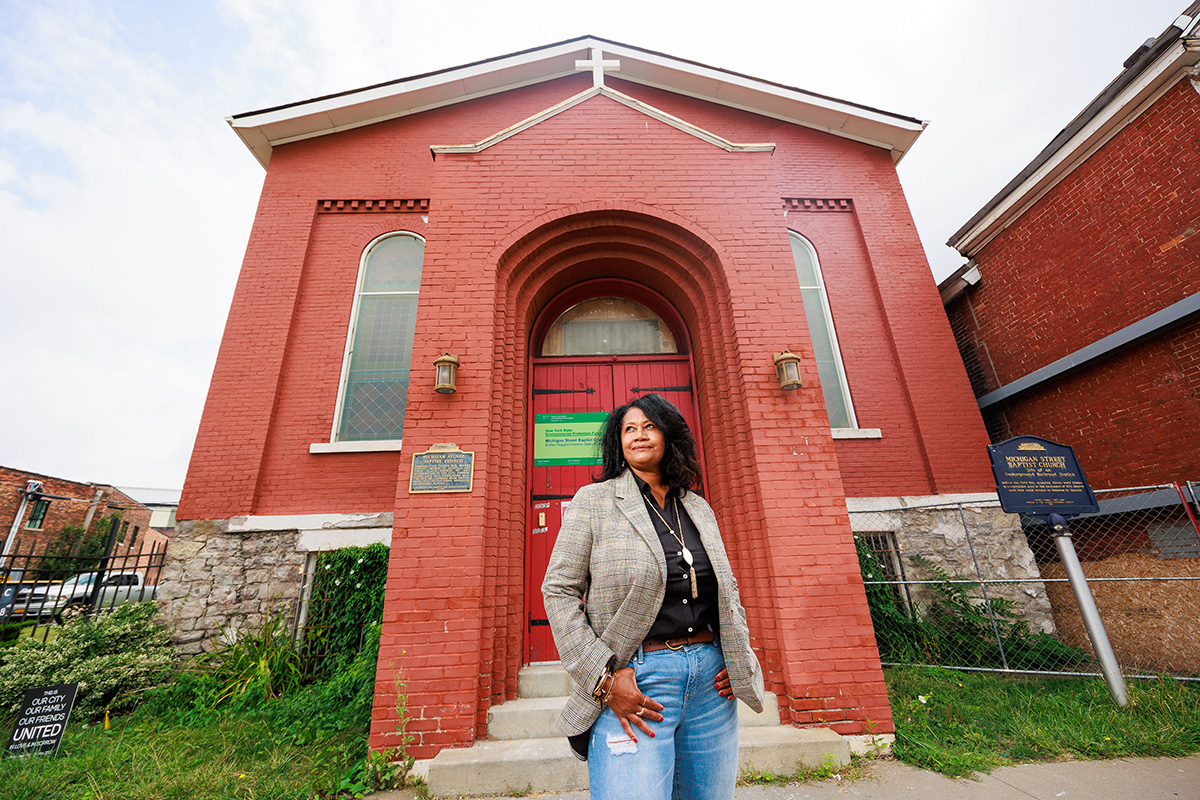
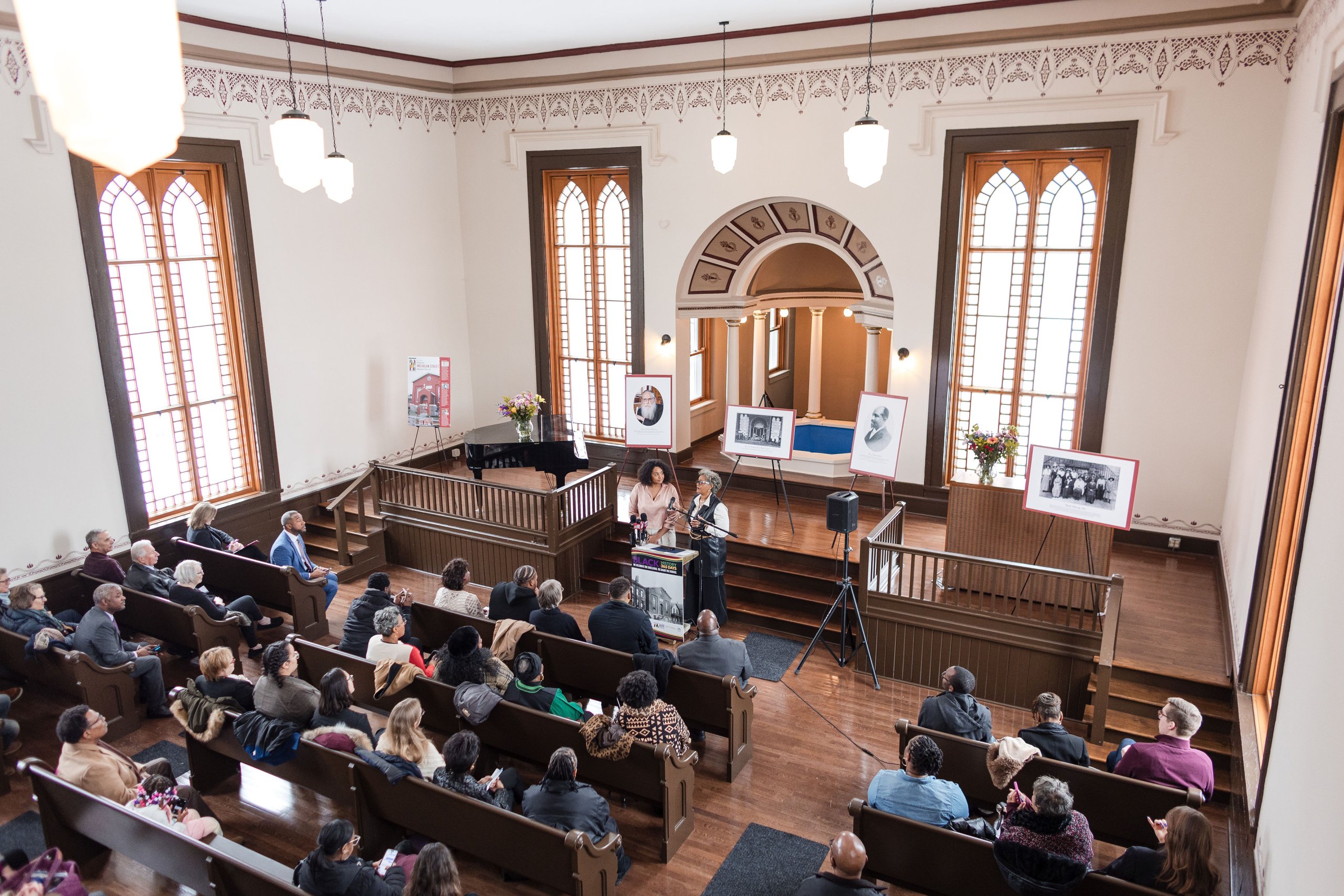
Historic Michigan Street Baptist Church
The Historic Michigan Street Baptist Church, once a stop on the Underground Railroad, reopened in 2025 after an extensive $1.6 million restoration. This marks a new beginning for the church, which dates back to the 1840s and was known for hosting luminaries like Frederick Douglass and Booker T. Washington.
Now underway: a $2.4 million project to build a church annex with an elevator and restrooms along with a new garden honoring Mary Talbert, whose house was once next door. Talbert was instrumental in the founding of the Niagara Movement, which had its first meeting in her house, and was the precursor to the NAACP.
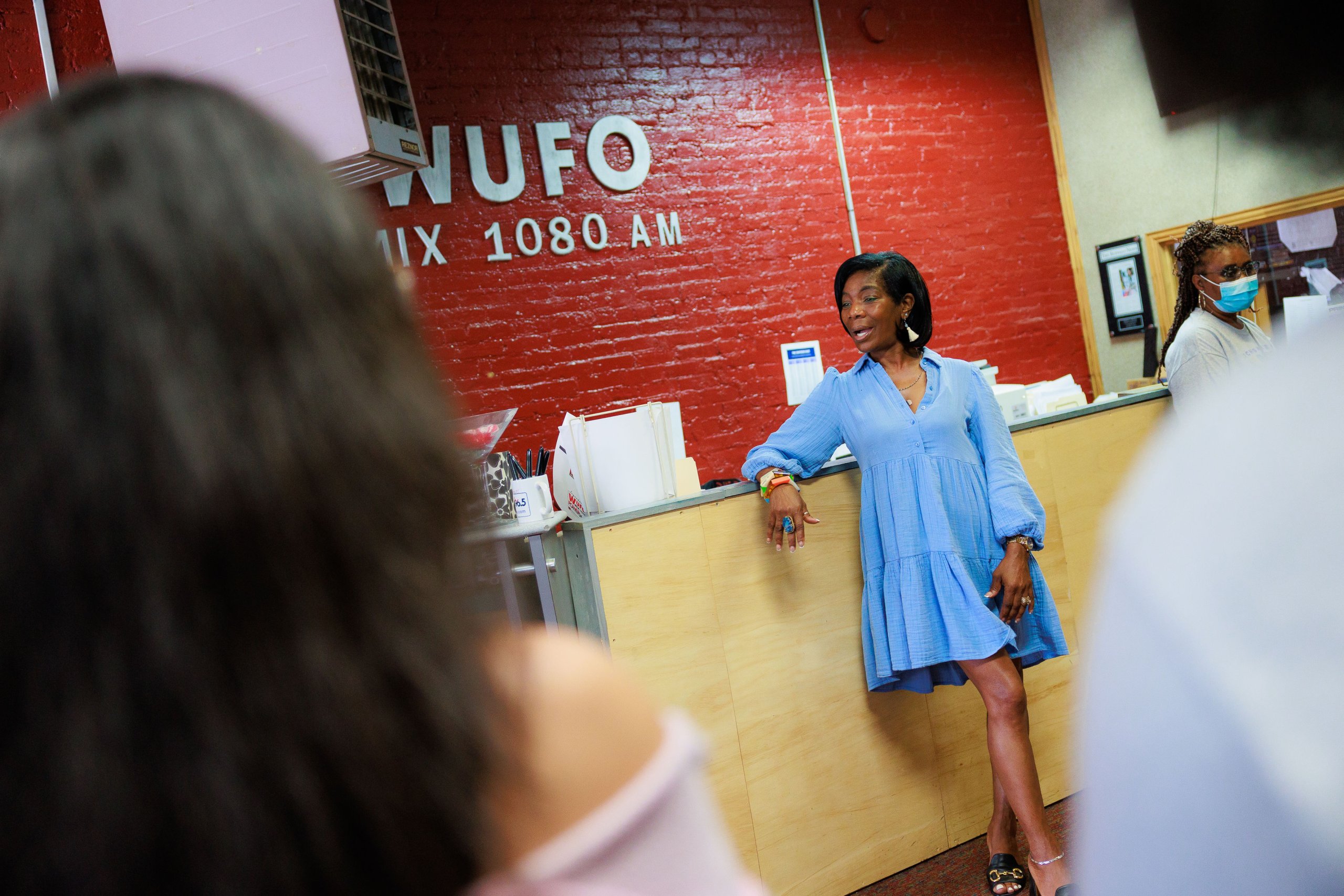
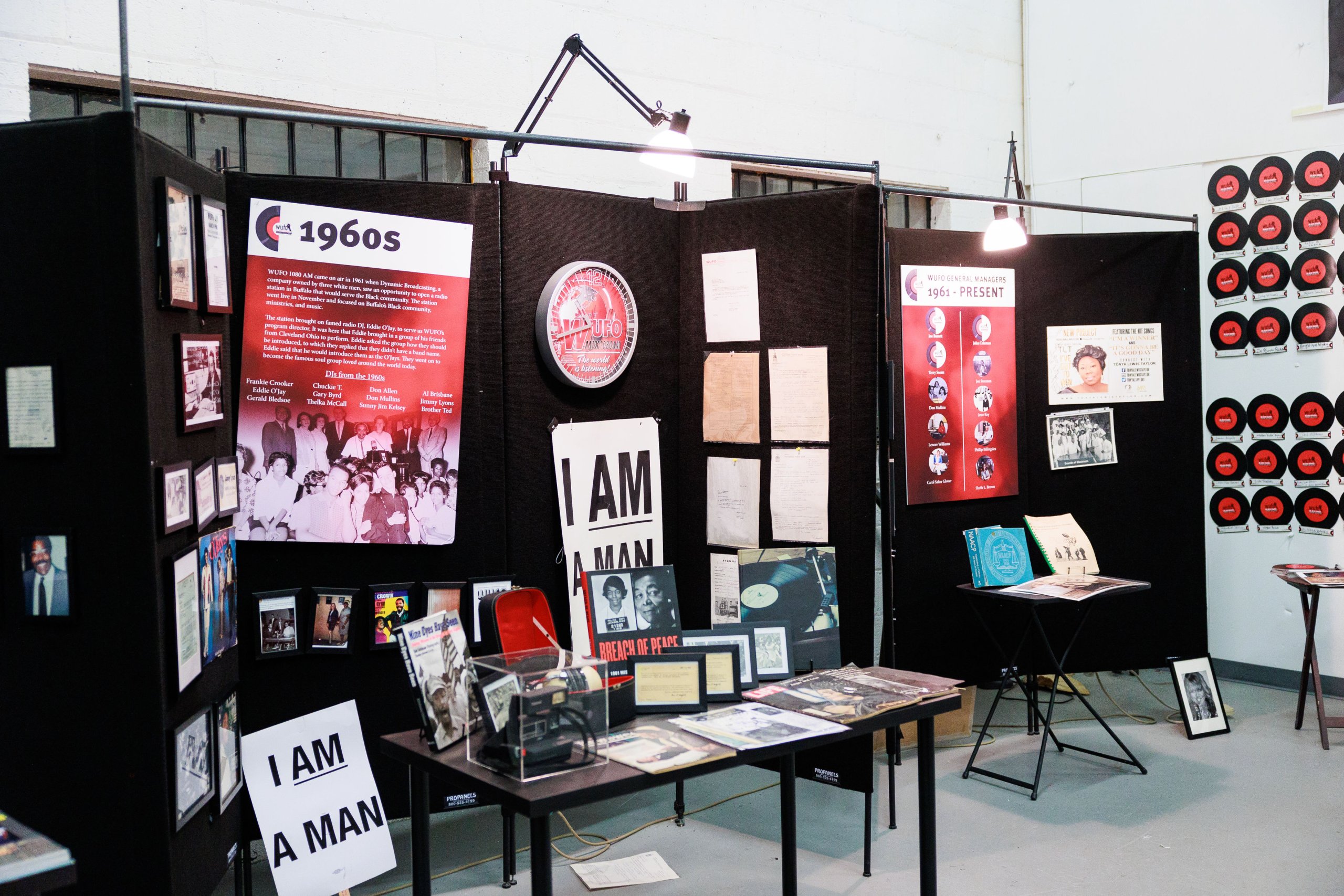
Black Radio History Museum
The WUFO Black Radio History Collective, America’s first Black radio museum, opens in a historic building along the Michigan Street African American Heritage Corridor this fall, tracing radio’s evolution and impact on culture and civil rights, while serving as WUFO’s new headquarters. The station, broadcasting since 1961, is owned by Sheila Brown, the first Black woman to own a station in Western New York.
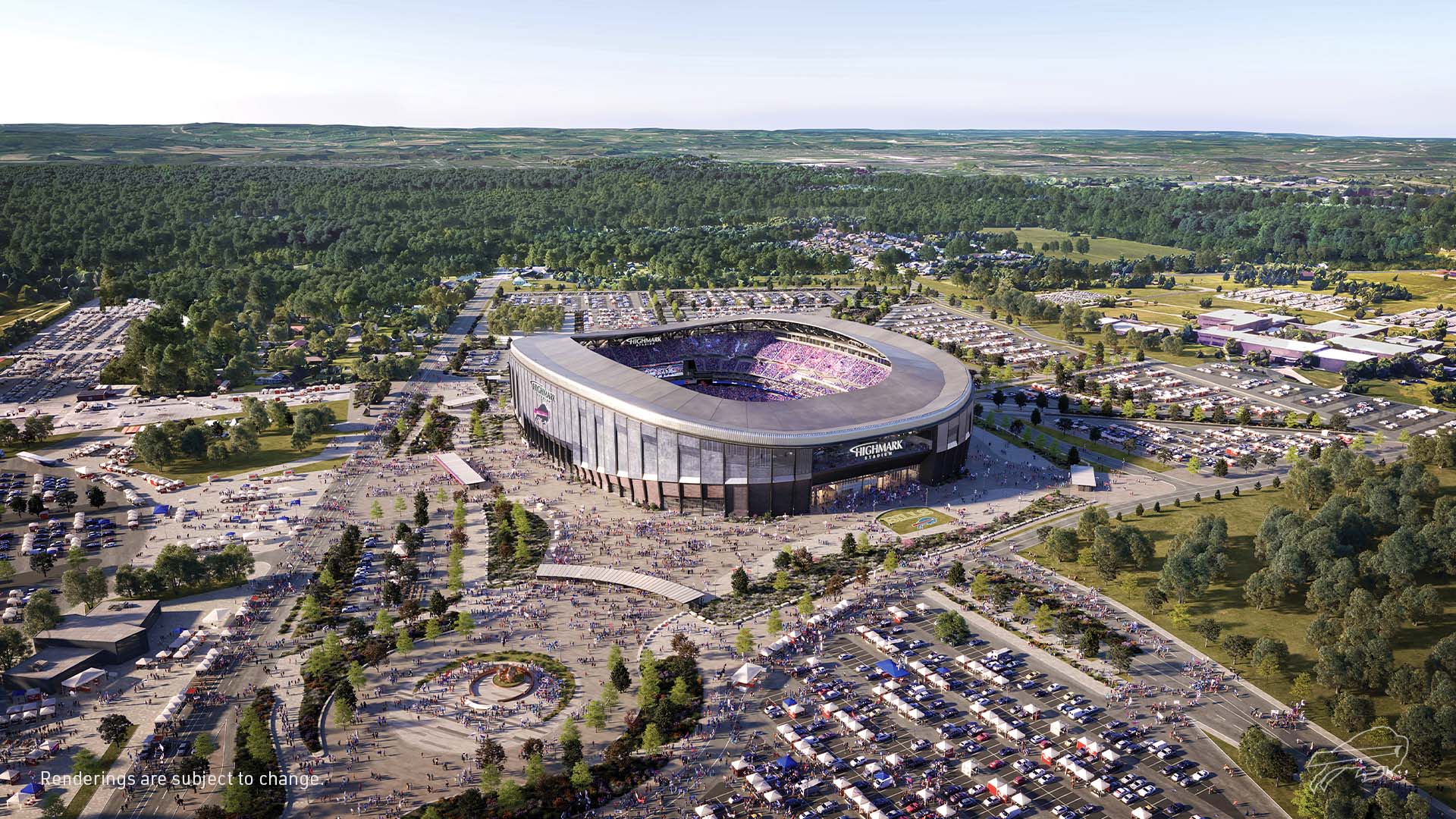
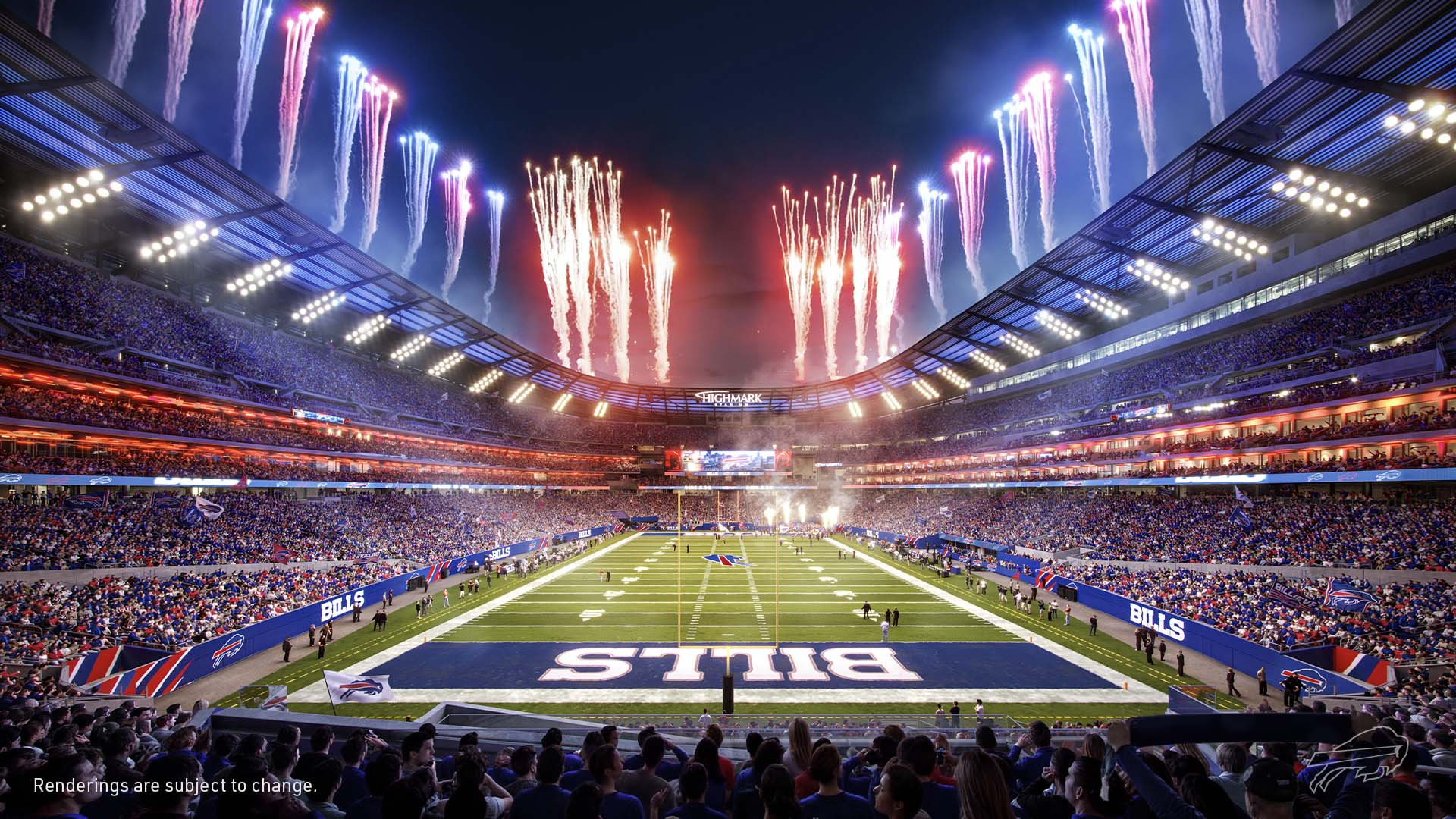
New Highmark Stadium
In the summer of 2026, one of the NFL’s hottest teams will move into a new home. The $2.2 billion, 62,000 seat New Highmark Stadium, the first new National Football League venue since 2020, will open in time for the Buffalo Bills’ 2026 season, replacing the half-century old stadium of the same name across the street. The new stadium will remain open-air, ensuring that those fan-favorite “snow bowl” games will still captivate the country. By staying in Orchard Park, it will continue to be surrounded by one of the most renowned tailgate scenes in the NFL.
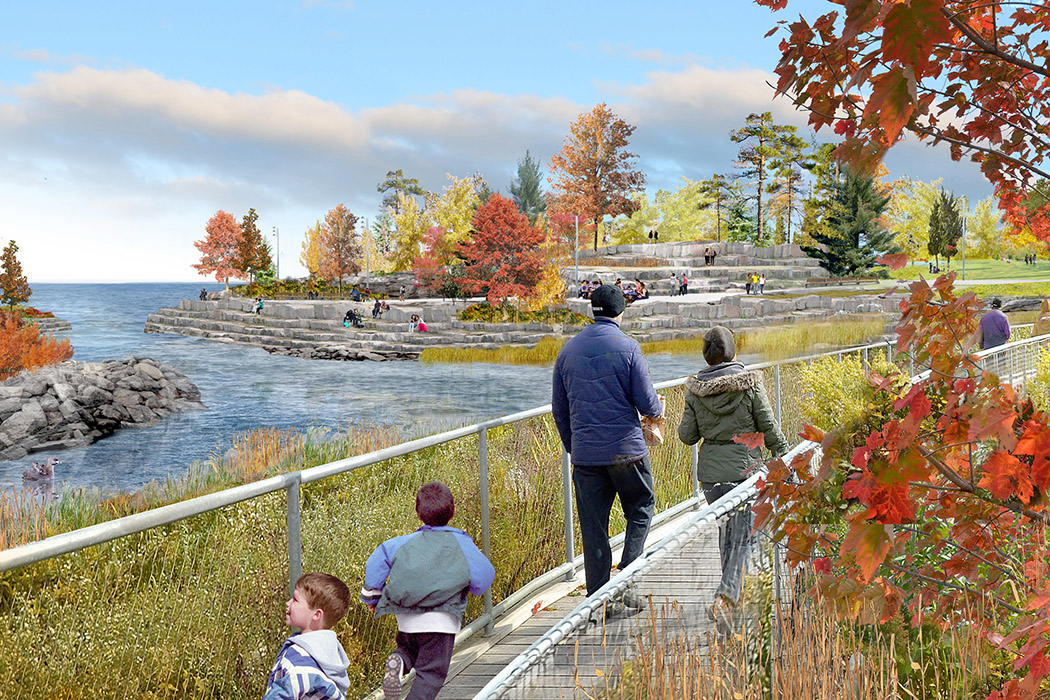
Ralph Wilson Park Debuts
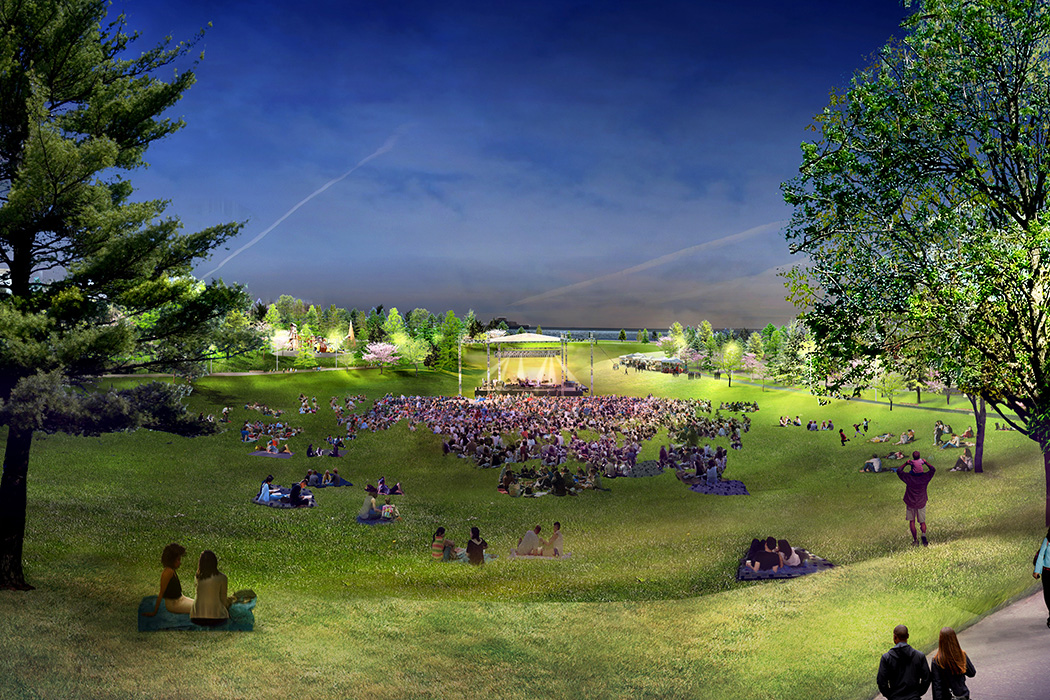
Visitors can explore a reimagined, century-old park along a waterfront mile because of one of the most significant philanthropic gifts in Buffalo’s history. Ralph Wilson Park, a 100-acre greenspace on the Lake Erie shoreline, is just north of downtown. It is now one of the largest urban parks currently under construction and is named for the late Buffalo Bills owner whose foundation donated much of the funding needed for the $200 million project. Construction of the new design for park started in 2023. The goal: Create a world-class public space with places for play, recreation, sport and relaxation. The first phase is expected to open in 2027. The park will eventually include a playground modeled after a lake freighter, a 30-foot sledding hill and a new wetland ecosystem for fish and wildlife.
Find more: Ralph Wilson Park

Visitor Center Welcomes At Frank Lloyd Wright’s Graycliff
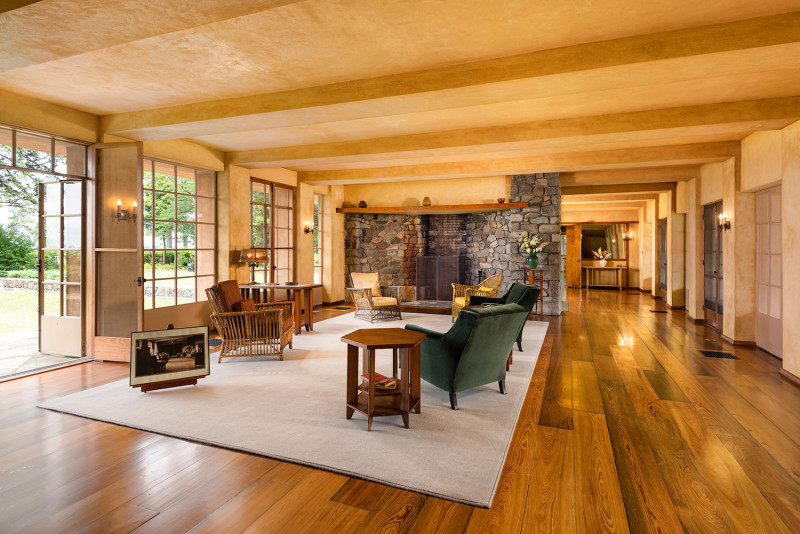
A new $4 million visitor center at the waterfront Graycliff estate designed by Frank Lloyd Wright opens in the summer of 2026 with a café and exhibit space. Its design evokes the architect behind this circa 1920s summer lakeside retreat, capping off a quarter-century of architectural restorations and improvements.
Frank Lloyd Wright’s legacy can be found all over Buffalo. The architect’s decades-long friendship with Buffalo businessman Darwin Martin, perhaps his most important patron, led to the construction of more than a half dozen designs here, making Buffalo a premiere Wright destination. Buffalo is home to the largest residence he designed: The Darwin Martin House is one of his Prairie Style masterworks of the early 1900s.
Graycliff, the summer residence Wright also designed for the Martin family, has cantilevered balconies and organic elements leading scholars to regard it as a precursor to his famed 1937 Fallingwater house in Pennsylvania. Both Buffalo properties are enjoying second lives as not-for-profit house museums.
Opening of Hispanic Heritage Cultural Institute
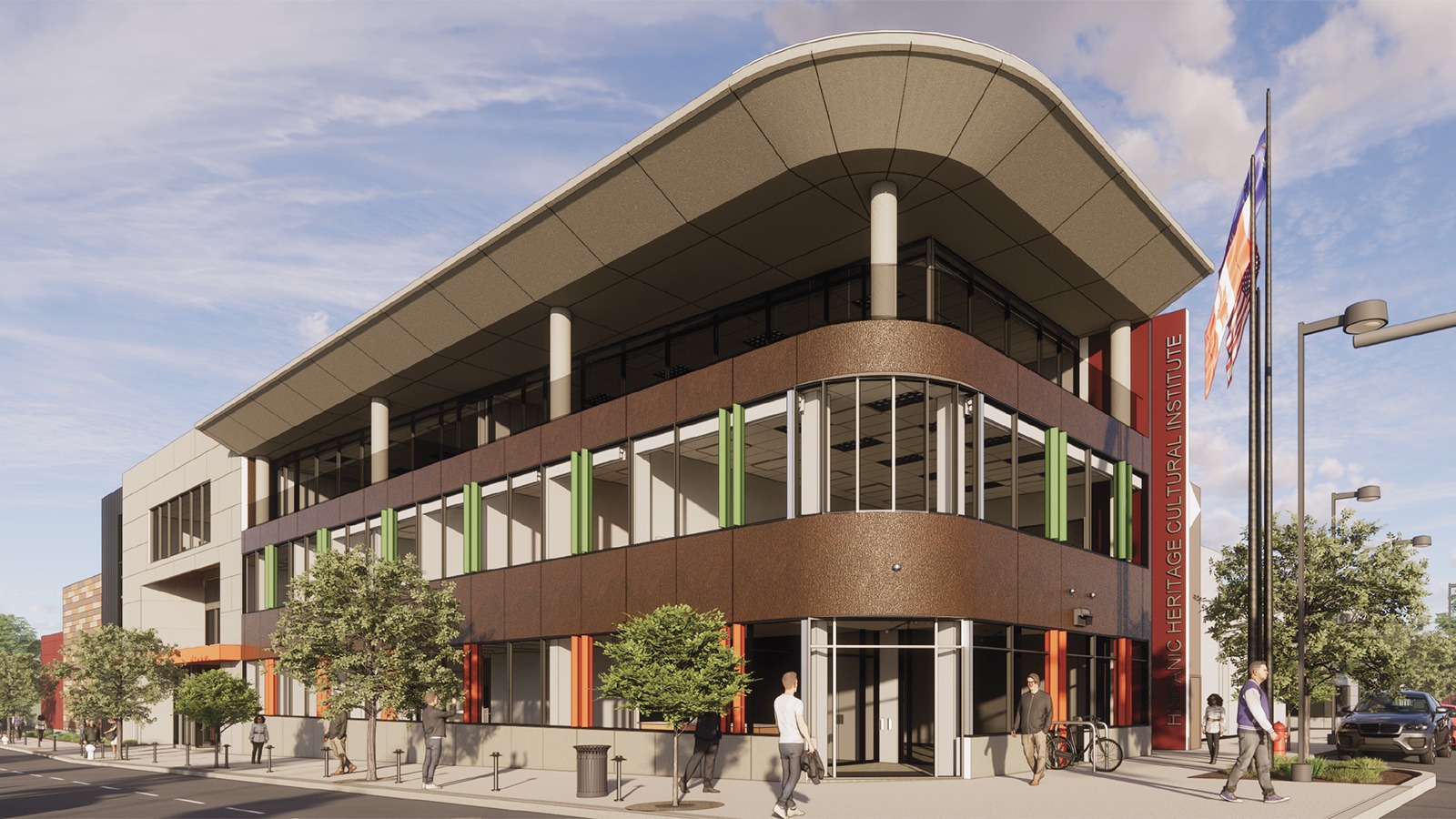
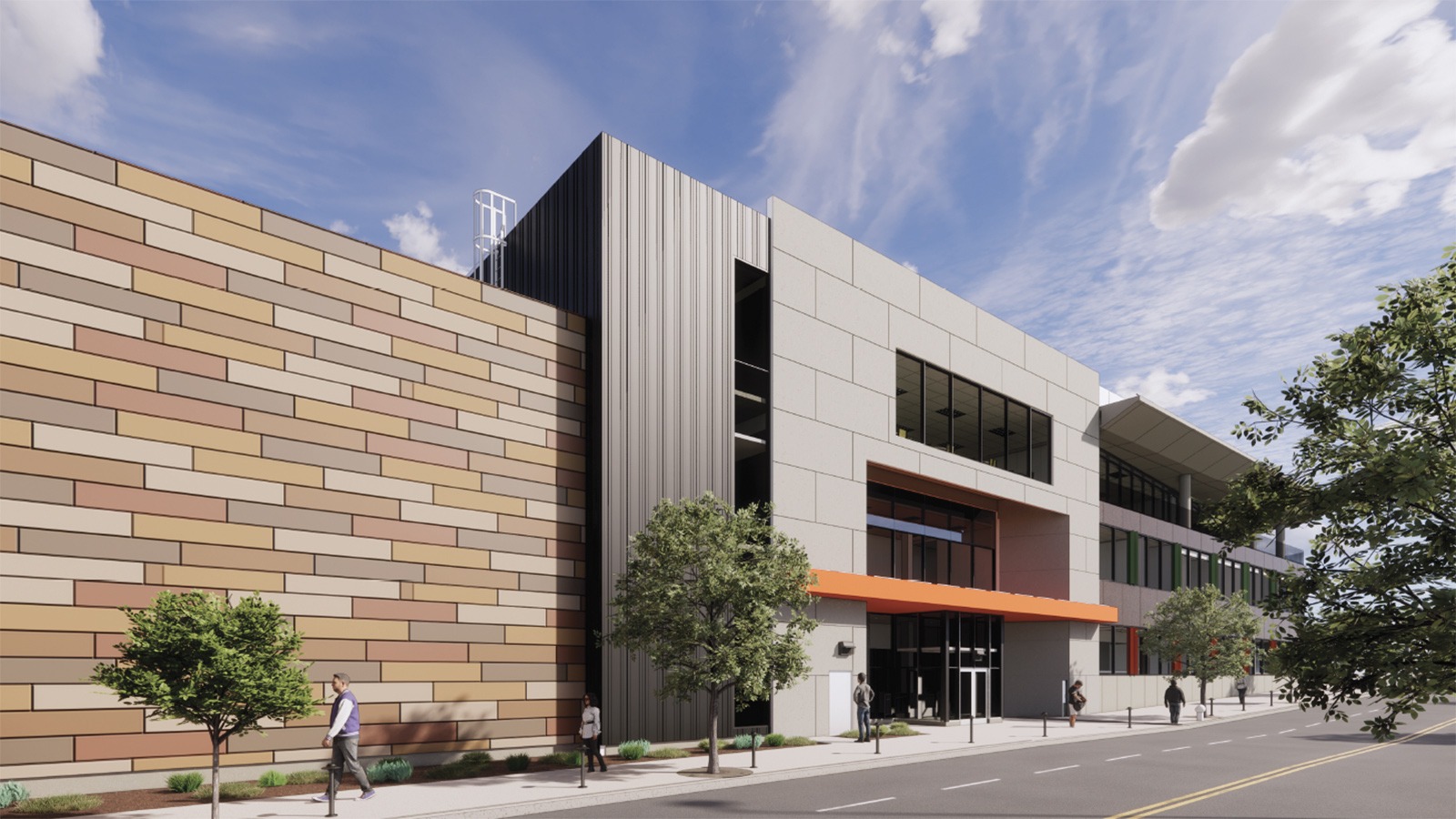
The new Hispanic Heritage Cultural Institute on Niagara Street is set to open in late summer of 2026 and will celebrate the Hispanic community’s contributions to Western New York. The center in the heart of Buffalo’s Hispanic Heritage District will serve as a dynamic hub for the community with artistic and cultural programming. The new Raíces Theater will host shows, a speaker series, visiting performances, and work by local artists.
BEYOND 2026
The Lipsey Architecture Center Opening
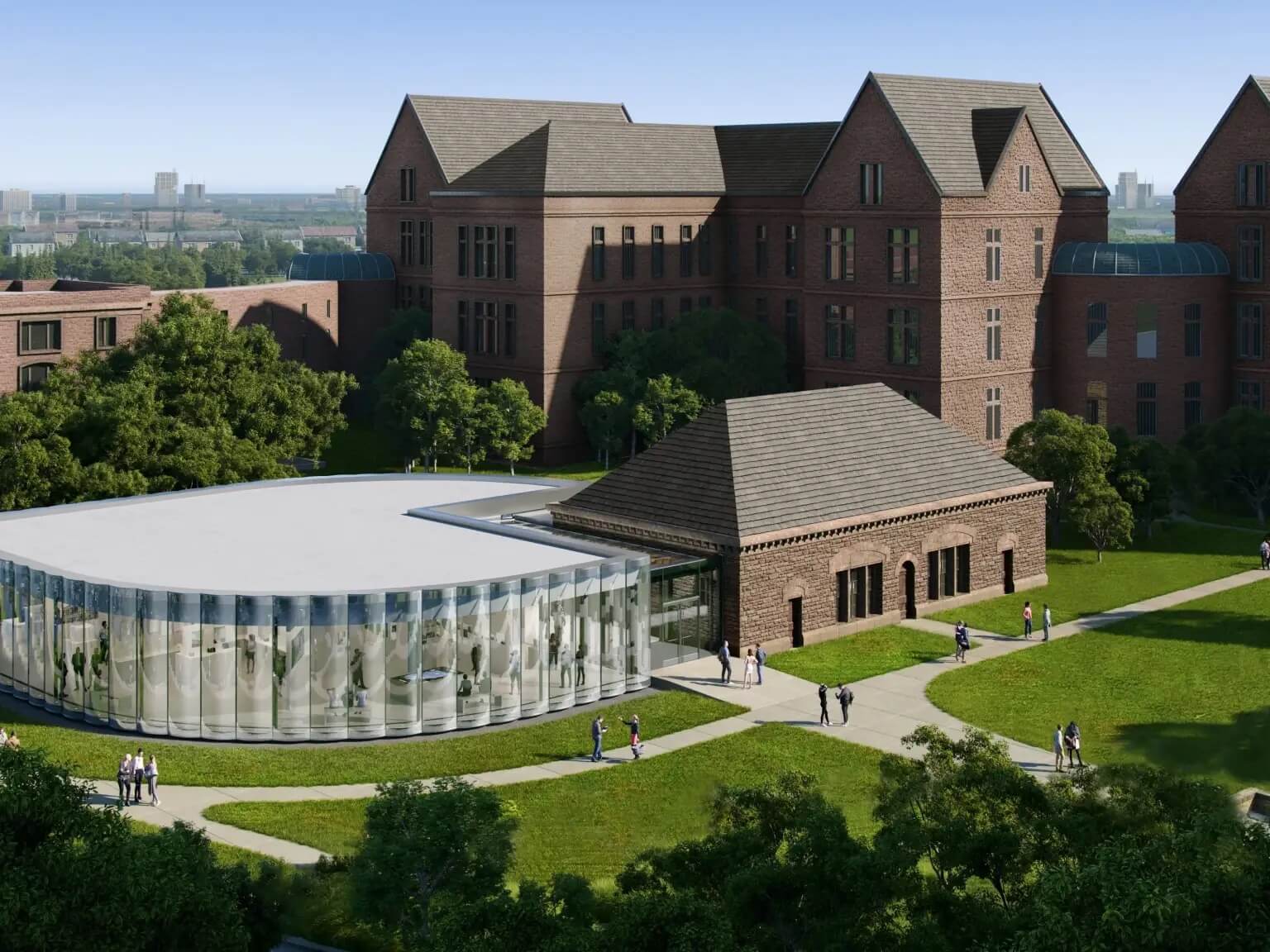
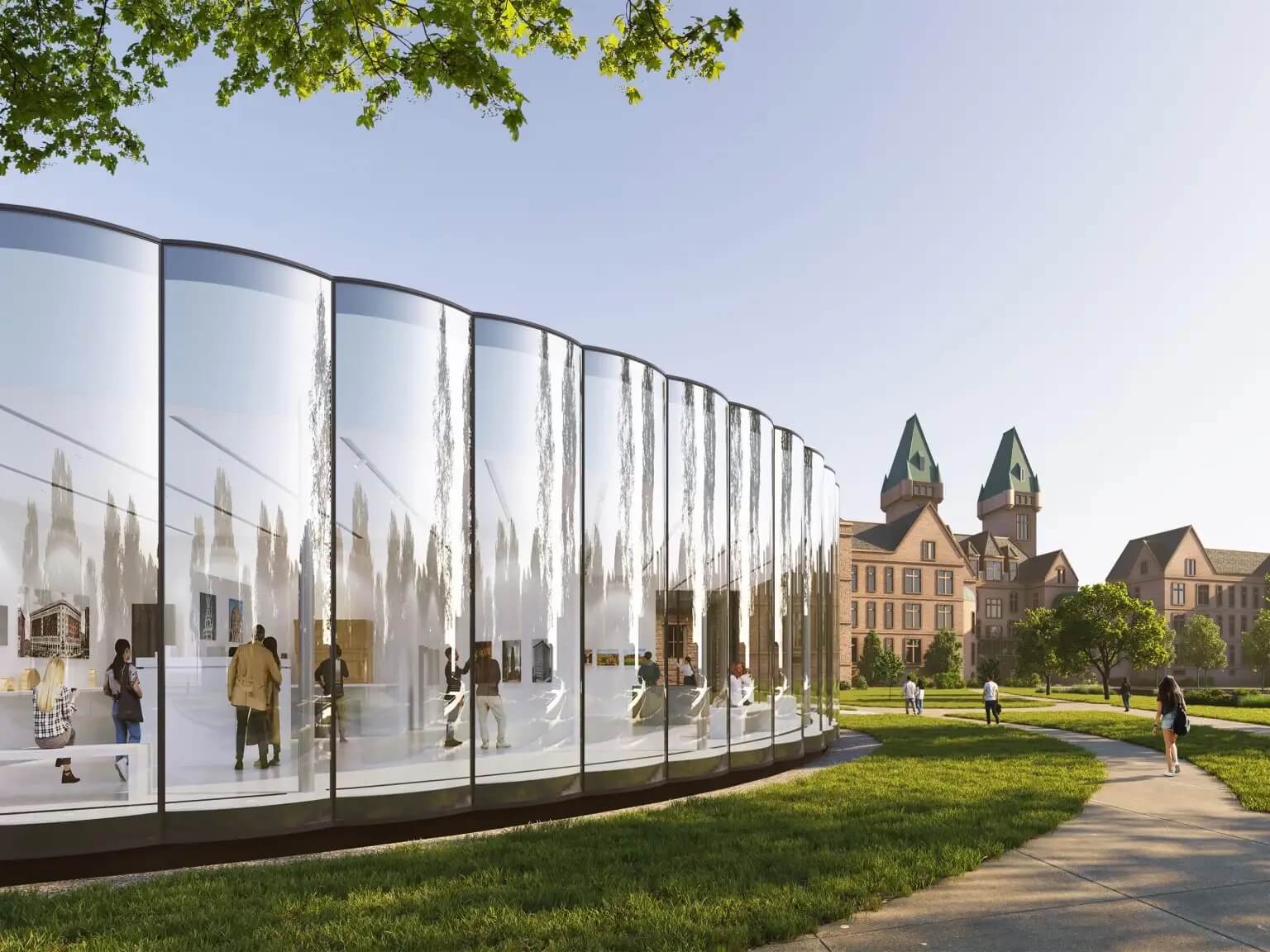
Long admired for its late 19th and early 20th century architecture, Buffalo will offer a new way for visitors to explore that legacy in 2027: The Lipsey Architecture Center at the Richardson Olmsted Campus is being built inside an 1870s-era building, part of the original Henry Hobson Richardson design for a mental health healing center, which is now a National Historic Landmark. The new museum will feature state-of-the-art exhibits spotlighting the work of visionary architects who shaped the city. Richardson, Frank Lloyd Wright, Louis Sullivan, and Frederick Law Olmsted are among them.
Transformation of the Buffalo Central Terminal
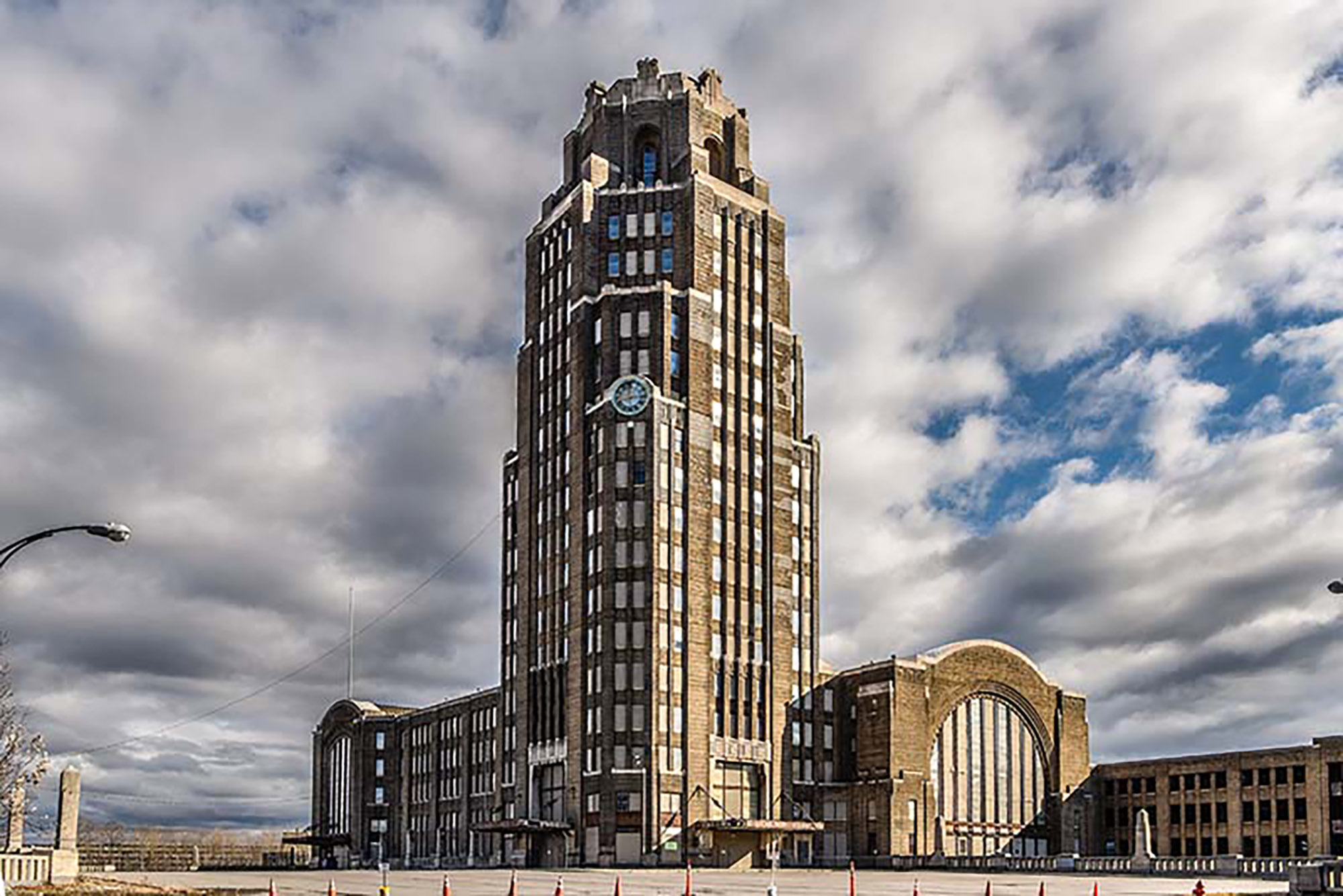
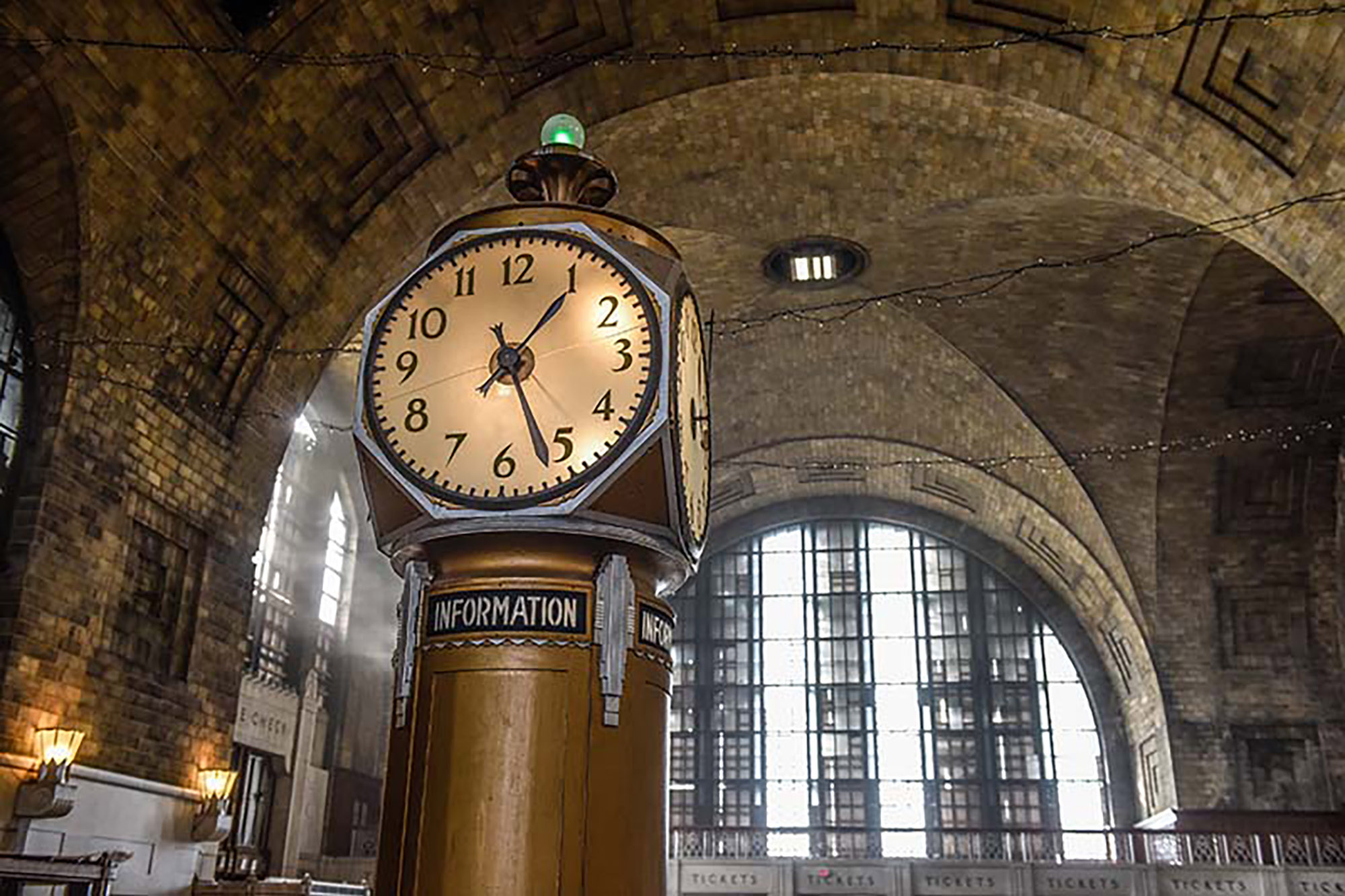
Buffalo’s Art Deco train station has been searching for new purpose and use since the last Amtrak passenger train pulled away in 1979. After decades of neglect, restoration is finally underway, fueled in part by a $61 million investment by New York State. The nonprofit Central Terminal Restoration Corporation is overseeing an ambitious multi-year transformation that includes the summer 2027 reopening of its passenger concourse as an event space. Beyond that, station will be reimagined as a place for the arts, entertainment and local businesses.
Find more: Buffalo Central Terminal